Fruitcake: A Timeless Holiday Tradition
Fruitcake is one of the most iconic Christmas desserts, steeped in tradition and nostalgia. Made with dried fruits, nuts, warm spices, and often soaked in rum or brandy, it is known for its rich flavor and long shelf life. Historically, fruitcake was baked weeks in advance and carefully fed with alcohol, allowing flavors to deepen over time. Families pass down recipes through generations, making each version unique and deeply personal. Despite its reputation for being dense, a well-made fruitcake is moist, fragrant, and beautifully balanced. Candied citrus peel adds brightness, while spices like cinnamon and nutmeg bring warmth perfect for winter celebrations. Served in thin slices with tea or coffee, fruitcake represents patience, craftsmanship, and the spirit of Christmas hospitality shared with loved ones. Today, many bakers modernize it with lighter textures and creative fruit combinations, helping this classic dessert win new fans. It also pairs beautifully with cheeses and festive spreads during holidays.
Gingerbread: Sweet Spice and Holiday Cheer
Gingerbread is another beloved Christmas dessert that fills homes with irresistible aromas. Whether baked as soft loaves, crisp cookies, or whimsical houses, gingerbread is defined by its blend of ginger, cloves, cinnamon, and molasses. These spices not only provide bold flavor but also evoke memories of festive baking and family gatherings. Decorating gingerbread cookies is a cherished holiday activity, especially for children, who delight in icing, candies, and colorful designs. The tradition dates back centuries and remains popular because it combines creativity with comfort food. A bite of gingerbread offers warmth and sweetness balanced by gentle spice, making it perfect for cold December evenings. Paired with milk, hot chocolate, or mulled wine, gingerbread continues to be a joyful symbol of togetherness and seasonal cheer. From simple family recipes to elaborate displays, it remains loved across cultures. Many bakers revisit it every year with joyful anticipation and family smiles.
Christmas Pudding: Rich, Ritual, and Festive
Christmas pudding, also known as plum pudding, is a rich steamed dessert central to many holiday celebrations. Packed with dried fruits, suet, breadcrumbs, spices, and dark sugar, it is traditionally prepared weeks before Christmas. Families often gather to stir the mixture, each person making a wish, reinforcing its symbolic importance. On Christmas Day, the pudding is reheated, flambéed with brandy, and served with custard or brandy butter. Its deep, complex flavor reflects the slow cooking process and festive indulgence of the season. Though dense and hearty, Christmas pudding is meant to be enjoyed in small portions, savored slowly after a generous meal. This dessert represents continuity, ritual, and the warmth of shared traditions that define the holiday spirit. Modern variations adjust ingredients, but the essence remains unchanged for many households. Its preparation alone signals that Christmas has truly arrived.
Yule Log: A Festive Showstopper
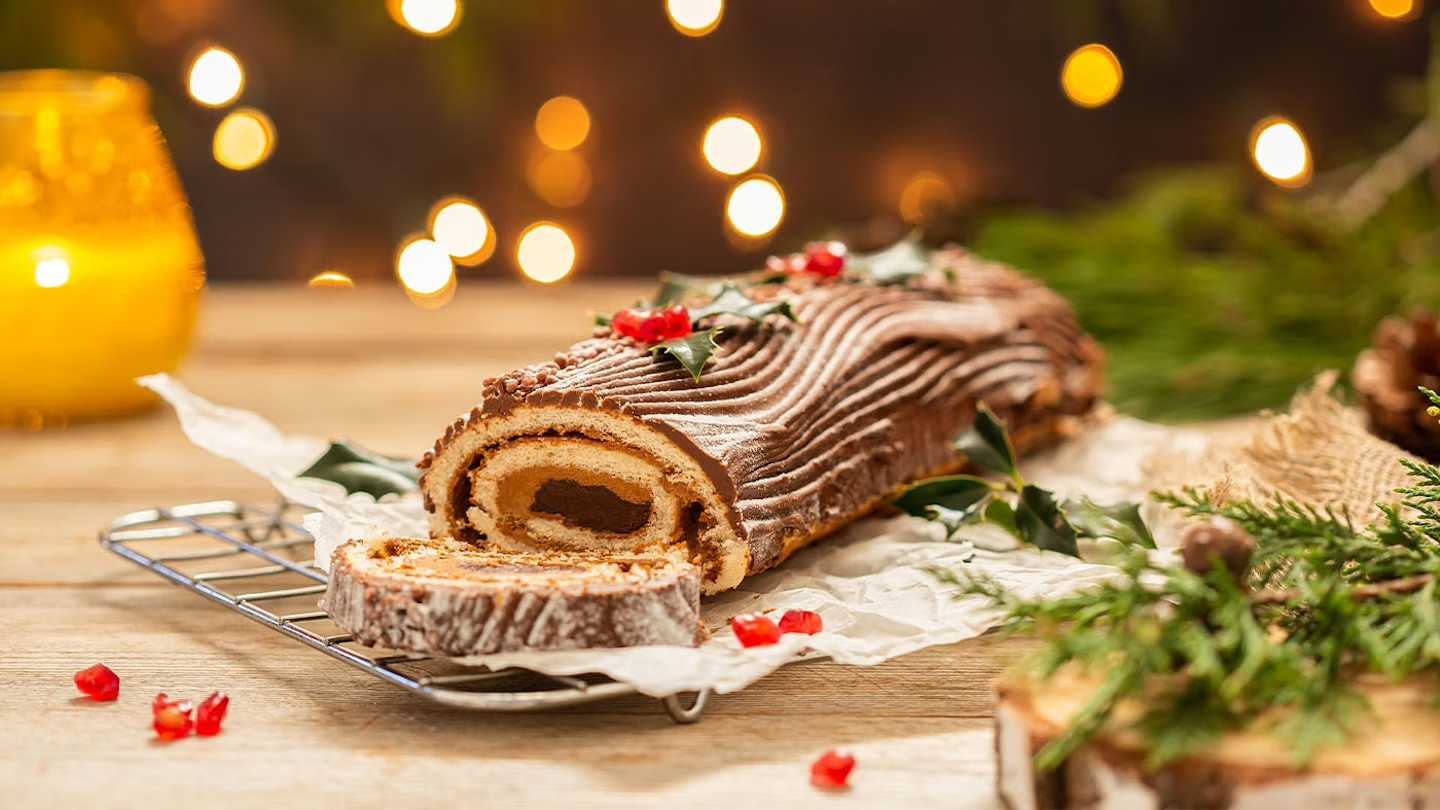
The Yule Log, or Bûche de Noël, is a classic Christmas cake inspired by the ancient tradition of burning a log for winter solstice celebrations. Shaped to resemble a wooden log, this dessert is typically made from a light sponge cake rolled with cream and covered in chocolate buttercream. Decorative touches like powdered sugar snow, meringue mushrooms, and holly leaves add visual charm. The contrast between airy cake and rich chocolate makes the Yule Log universally appealing. It is often the centerpiece of the dessert table, admired before it is sliced and shared. Beyond its elegant appearance, the Yule Log symbolizes warmth, renewal, and celebration, making it a fitting finale to Christmas feasts. Different regions adapt fillings and finishes, yet its festive symbolism remains constant. It brings storytelling, flavor, and celebration together in one dessert.