Have you ever caught a familiar smell and instantly remembered a person, place, or moment? Maybe it was the scent of a particular meal, a familiar room, or something from childhood. Smell has a surprisingly strong connection with memory, and scientists have spent years exploring why that connection exists.
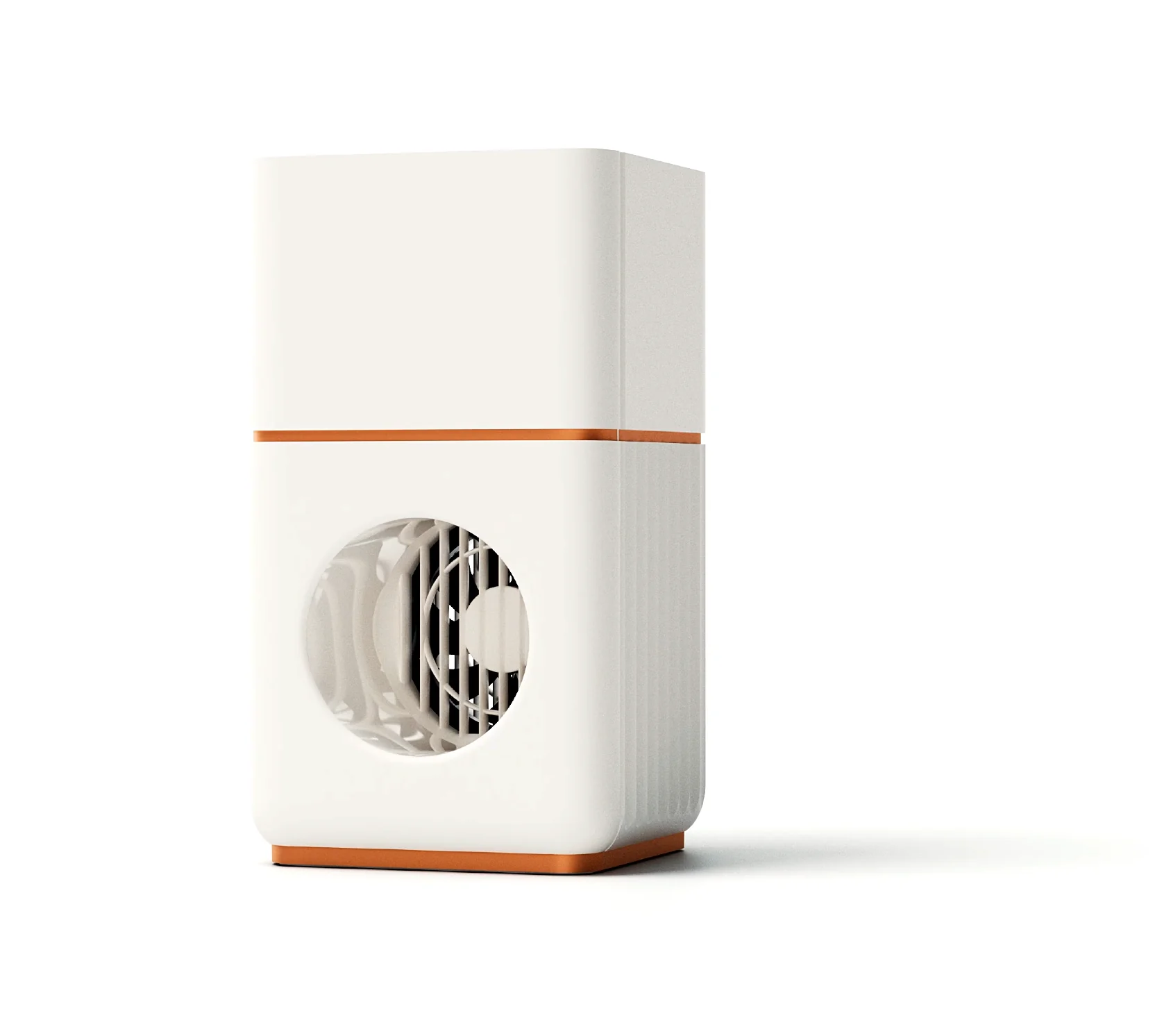
Today, that relationship between smell, sleep, and memory is attracting even more attention. MemoryAir is based on the concept of olfactory enrichment, using carefully selected scent stimulation during sleep as part of a routine designed to support memory and cognitive wellness.
Why Smell and Memory Are Connected
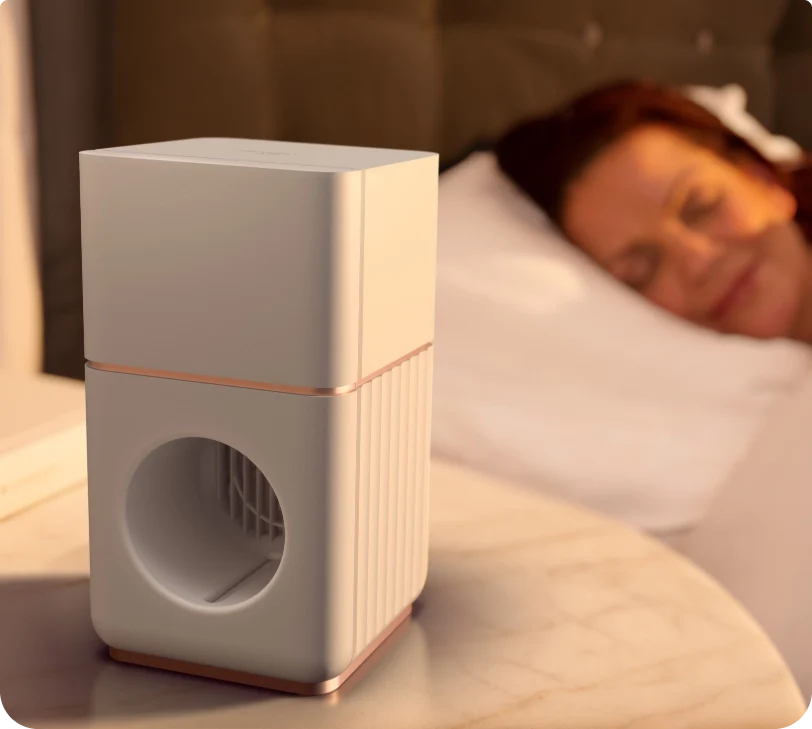
Our sense of smell is different from many other senses because of the way odor information reaches the brain. Signals from the olfactory system connect with areas involved in memory, emotion, and learning, including regions associated with the hippocampus and other brain structures.
That may help explain why certain smells can bring back memories so quickly. A fragrance can sometimes remind us of a particular experience before we have even consciously identified what we are smelling.
MemoryAir builds on this fascinating relationship by using scent stimulation as part of an overnight olfactory enrichment routine.
Explore the science behind MemoryAir
What Happens to Memory During Sleep?
Sleep is not simply a period when the body switches off. While we rest, the brain continues working on important processes, including organizing information and consolidating memories formed during the day.
This is one reason good-quality sleep is so important for learning, concentration, and everyday mental performance. A consistent sleep routine gives the brain time to carry out these natural processes without the distractions of daytime activity.
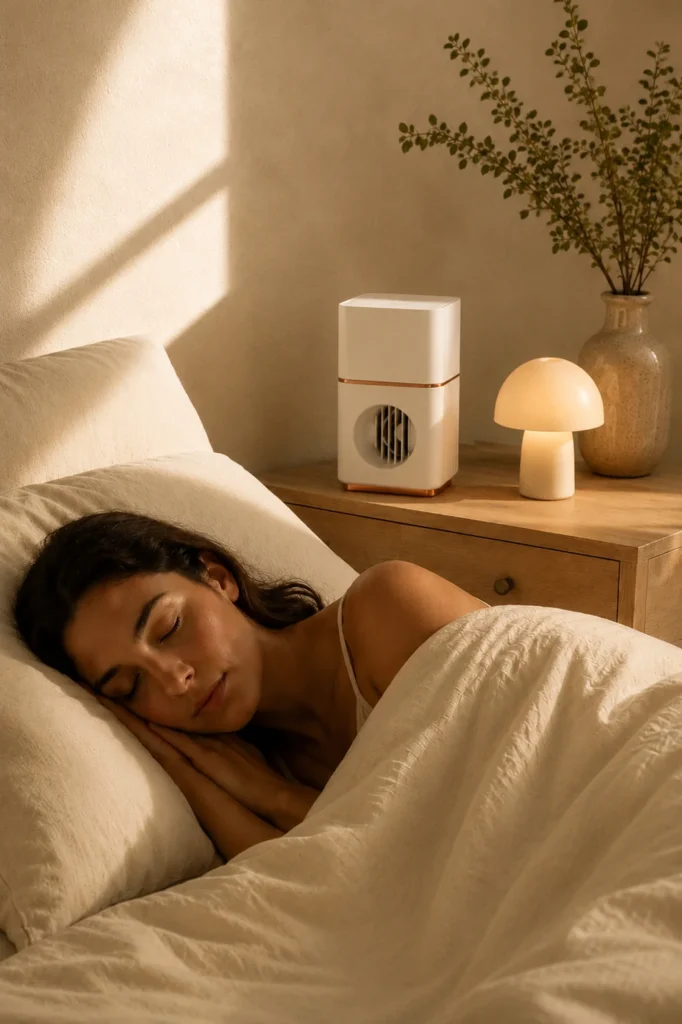
MemoryAir is designed to work quietly during sleep, providing programmed scent stimulation while the user follows their normal nighttime routine.
Discover how MemoryAir works
What Is Olfactory Enrichment?

Olfactory enrichment means stimulating the sense of smell with a variety of scents in a structured way. It is different from simply using an air freshener or leaving one fragrance in a room for several hours.
MemoryAir uses a scent belt containing multiple scent stimuli that are delivered in a planned sequence. According to the company, its current scent belt contains 40 unique scent stimuli designed specifically for olfactory enrichment during sleep.
The concept is simple: while you sleep, your nose continues to receive carefully controlled sensory stimulation without requiring you to actively participate in the process.
Learn about MemoryAir olfactory enrichment
How MemoryAir Fits Into a Nighttime Routine
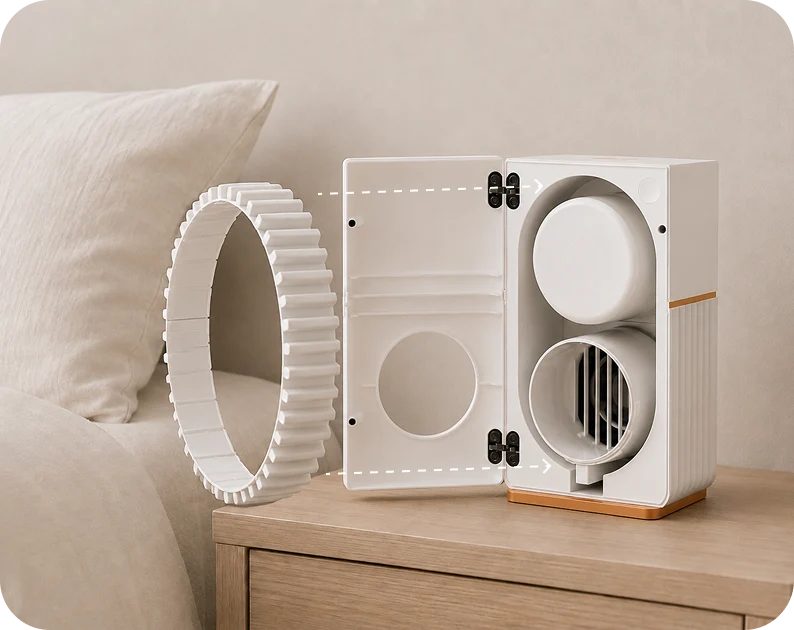
One of the appealing things about MemoryAir is that it is designed to be easy to incorporate into an existing bedtime routine. You do not need to spend extra time completing exercises or monitoring the device throughout the night.
Getting started involves just a few basic steps:
- Place MemoryAir on your nightstand, level with your head.
- Insert the scent belt into the device.
- Start the device before going to sleep.
- Let it operate quietly overnight.
- Replace the scent belt according to the recommended schedule.
The device is intended to handle the scent delivery automatically, making olfactory enrichment a passive part of the nighttime routine.
See how MemoryAir works
The Science Behind Smell and Brain Health

The connection between smell and the brain has been studied for decades. Research into olfactory training has explored how repeated exposure to different scents may affect smell function, brain structure, learning, and memory.
MemoryAir highlights research from the University of California, Irvine, including a 2023 study involving older adults and overnight exposure to rotating scents. The company reports significant improvements in memory and recorded sleep in that research.
These findings are interesting, but research in this area is still developing. MemoryAir itself describes its product as a general wellness device rather than an FDA-cleared medical device, so it should not be considered a replacement for medical care or professional advice.
Read the MemoryAir research
Why Multiple Scents Matter

There is an important difference between olfactory enrichment and simply enjoying a pleasant fragrance. A single scent may make a room smell nice, but olfactory enrichment focuses on providing a variety of sensory experiences.
MemoryAir’s scent belt is designed to cycle through multiple scents during the night. The company says these scents are specially selected and presented in a specific sequence to provide consistent olfactory stimulation.
This variety is central to the concept because the goal is not simply to create a pleasant-smelling bedroom. Instead, the focus is on regularly engaging the olfactory system while the brain is resting.
Explore MemoryAir scent technology
Sleep, Smell, and Memory Work Together

The relationship between sleep and memory is already well established as an important area of neuroscience. Adding the sense of smell to that conversation creates another interesting way to think about how the brain processes information during rest.
Because the olfactory system has strong connections with memory- and emotion-related brain areas, researchers are exploring whether carefully timed scent exposure can support cognitive processes during sleep.
MemoryAir brings this research-inspired approach into a simple bedside format. It is designed to provide scent stimulation automatically, allowing users to make it part of their regular nighttime routine without adding another complicated task to the day.
Explore MemoryAir
Making Brain Health Part of Everyday Life

Supporting cognitive wellness does not have to mean making huge changes overnight. Healthy sleep habits, regular physical activity, balanced nutrition, mental stimulation, and staying socially engaged can all be important parts of a broader wellness routine.
Olfactory enrichment offers another interesting area of research. Instead of asking people to spend extra time on a complicated activity, it explores how sensory stimulation might be incorporated into something we already do every day: sleep.
That is what makes the idea behind MemoryAir particularly interesting. It combines an everyday activity with a science-inspired approach to smell and cognitive wellness.
Learn more about MemoryAir
Final Thoughts
The connection between memory, sleep, and smell is a fascinating example of how different parts of the brain work together. A simple scent can trigger an old memory, while sleep gives the brain valuable time to process and consolidate information.
MemoryAir takes the idea of olfactory enrichment and turns it into an automated nighttime experience. While research continues to explore the full potential of scent-based stimulation, the science offers an intriguing look at the role our sense of smell may play in cognitive health.
For anyone interested in the relationship between neuroscience, sleep, and sensory wellness, MemoryAir represents an interesting development in the growing conversation around how we can support the brain as part of everyday life.