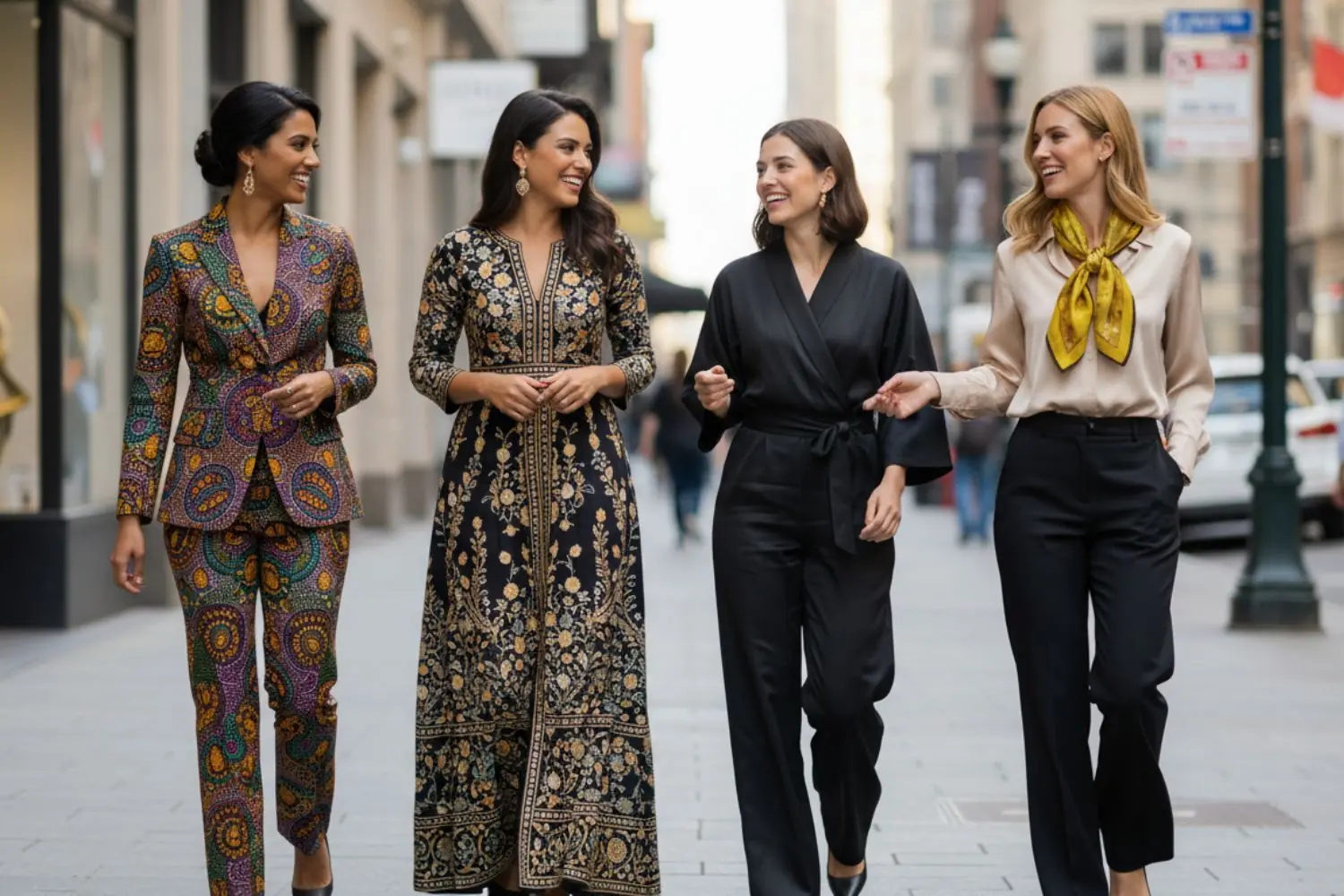
Shopping is more than just buying things we need. It is also a part of our culture, lifestyle, and everyday traditions. From visiting local markets to shopping for special occasions, the way people shop often tells a story about their values, habits, and communities.
In different parts of the world, shopping has its own meaning. For some people, it is a family activity, while others see it as a way to celebrate traditions, support local businesses, or express their personal style.
The Connection Between Shopping and Culture
Culture plays an important role in shaping shopping habits. The products people buy, the places they visit, and the occasions they shop for are often influenced by local customs and traditions.
For example, in many South Asian communities, shopping before Eid is a special tradition. Families visit markets to buy new clothes, shoes, gifts, and decorations. These shopping trips are not just about purchasing products; they are also about spending time together and preparing for a meaningful celebration.
Similarly, Christmas shopping is a major tradition in many Western countries. People look for gifts, festive decorations, and special foods to share with loved ones. These habits show how shopping becomes connected to cultural celebrations and shared experiences.
Local Markets and Community Traditions
Local markets have been an important part of community life for generations. They offer more than products. They provide a place where people meet, talk, share news, and build relationships with shopkeepers and other customers.
Traditional bazaars, weekend markets, and street vendors often reflect the character of a community. Handmade crafts, regional clothing, traditional foods, and locally produced goods help keep cultural practices alive.
Shopping from local sellers can also support small businesses and family-run shops. For many communities, these businesses are part of their identity and help preserve skills and traditions that might otherwise disappear.
How Lifestyle Influences Shopping Habits
The way people shop often reflects how they live. Someone with a busy schedule may prefer online shopping because it saves time, while another person may enjoy visiting physical stores to compare products and experience them in person.
Lifestyle changes also influence what people buy. As more people work from home, for example, they may spend more on comfortable clothing, home office furniture, and products that make their living spaces more useful.
Personal interests matter, too. People who enjoy cooking may look for kitchen tools and fresh ingredients, while those interested in fashion may spend more time exploring clothing, footwear, and accessories.
These differences show that shopping is closely connected to daily routines, personal priorities, and individual choices.
Family Shopping and Social Values
Shopping is often a shared family activity, especially during holidays, weddings, birthdays, and other important occasions. Parents may take children to choose school supplies, families may shop together for celebrations, and friends may visit stores while spending time together.
These experiences can teach important values. Children learn about budgeting, comparing prices, making decisions, and understanding the difference between needs and wants.
Gift shopping also reflects social values such as kindness, appreciation, and respect. In many cultures, giving gifts is a way to strengthen relationships and show that someone matters. The thought behind a gift can be just as meaningful as its price.
Traditional Shopping Meets Modern Technology
Shopping traditions have changed as technology has become part of everyday life. Online stores, mobile apps, digital payments, and social media have made it easier to discover products and compare prices without leaving home.
However, modern shopping has not completely replaced traditional habits. Many people still enjoy visiting local shops, exploring busy markets, and choosing products in person.
Social media has also introduced new shopping trends. People discover brands through influencers, follow seasonal fashion trends, and find products that match their interests. At the same time, traditional products and handmade items can reach a wider audience through online platforms.
This mix of old and new shows how cultures adapt while keeping parts of their traditions alive.
Shopping, Sustainability, and Changing Values
Today, many shoppers are paying more attention to how products are made, where they come from, and how long they will last. These choices reflect growing interest in sustainability, responsible spending, and reducing waste.
Some people prefer reusable products, secondhand clothing, or items made by local craftspeople. Others focus on buying fewer but more durable products instead of constantly following new trends.
These habits are not the same for everyone, but they highlight how shopping can reflect changing social values. What people choose to buy may reveal their priorities, whether those involve saving money, protecting the environment, supporting workers, or preserving traditional craftsmanship.
Why Shopping Traditions Still Matter
Even as shopping becomes faster and more convenient, its cultural and social importance remains. Seasonal sales, holiday markets, wedding shopping, and family shopping trips continue to bring people together in different ways.
These traditions help pass customs from one generation to the next. They also give communities opportunities to celebrate their history, support local businesses, and share experiences that create lasting memories.
Shopping may seem like an ordinary part of life, but the meaning behind it can be surprisingly personal. A visit to a familiar market or the search for a special gift can connect people to their families, communities, and cultural roots.
Final Thoughts
Shopping traditions reflect much more than what people purchase. They offer a glimpse into cultural identity, everyday lifestyles, family relationships, and the values that matter to different communities.
As technology and lifestyles continue to change, shopping habits will keep evolving. Still, the traditions, connections, and personal experiences behind shopping will remain an important part of how people express who they are and what they value.